
The Bukit Peninsula hangs off the southern tip of Bali like an afterthought — dry, cliff-lined limestone where the rest of the island is green and volcanic. It’s a different microclimate, a different pace, and in many ways a different Bali: scrubby clifftops instead of rice terraces, a string of world-class surf breaks stacked one after another along the coast, and a scattering of villages that have each developed their own personality as tourism has spread out from Uluwatu temple over the past two decades. Bingin, Padang Padang and Uluwatu village (officially part of Pecatu) sit within a few kilometres of one another, yet ask a surfer, a remote worker and a family of four where to stay on the Bukit and you’ll get three genuinely different answers.
This guide is written from the ground up rather than as a sales pitch — vibe, beaches, food, noise, traffic and realistic price ranges for each area, plus a comparison table and a simple framework for choosing, so you can pick the right base instead of guessing from a map. We happen to have a property in Bingin, and we’ll mention it where relevant, but the goal here is an honest picture of the whole peninsula, not just our corner of it.
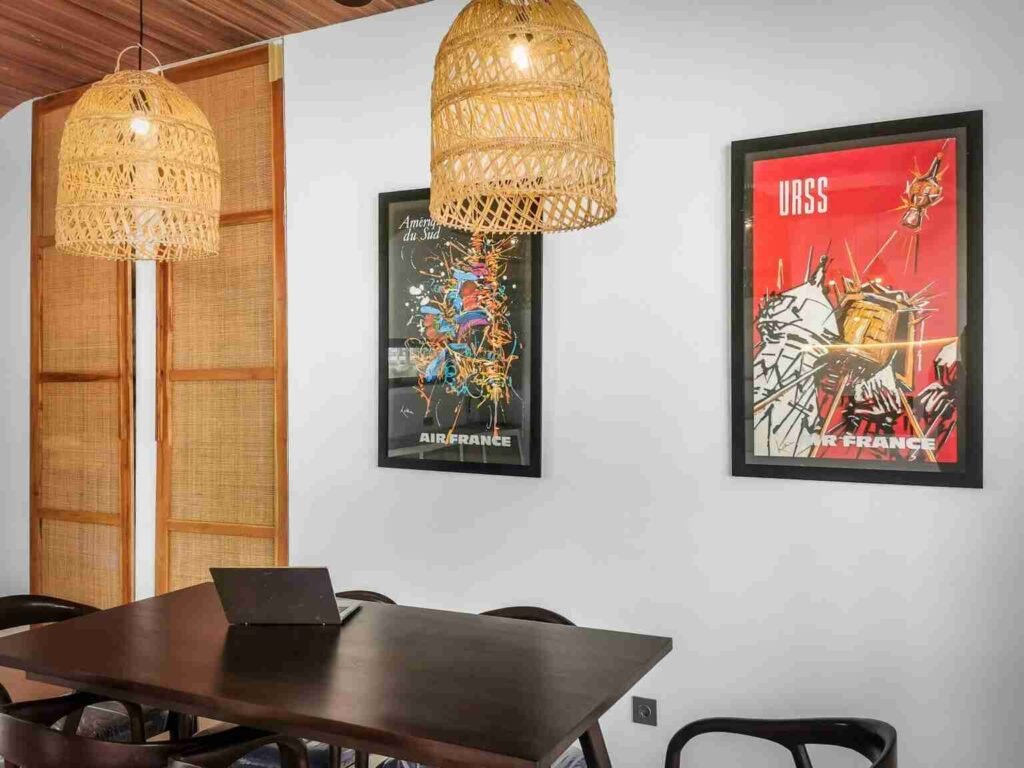
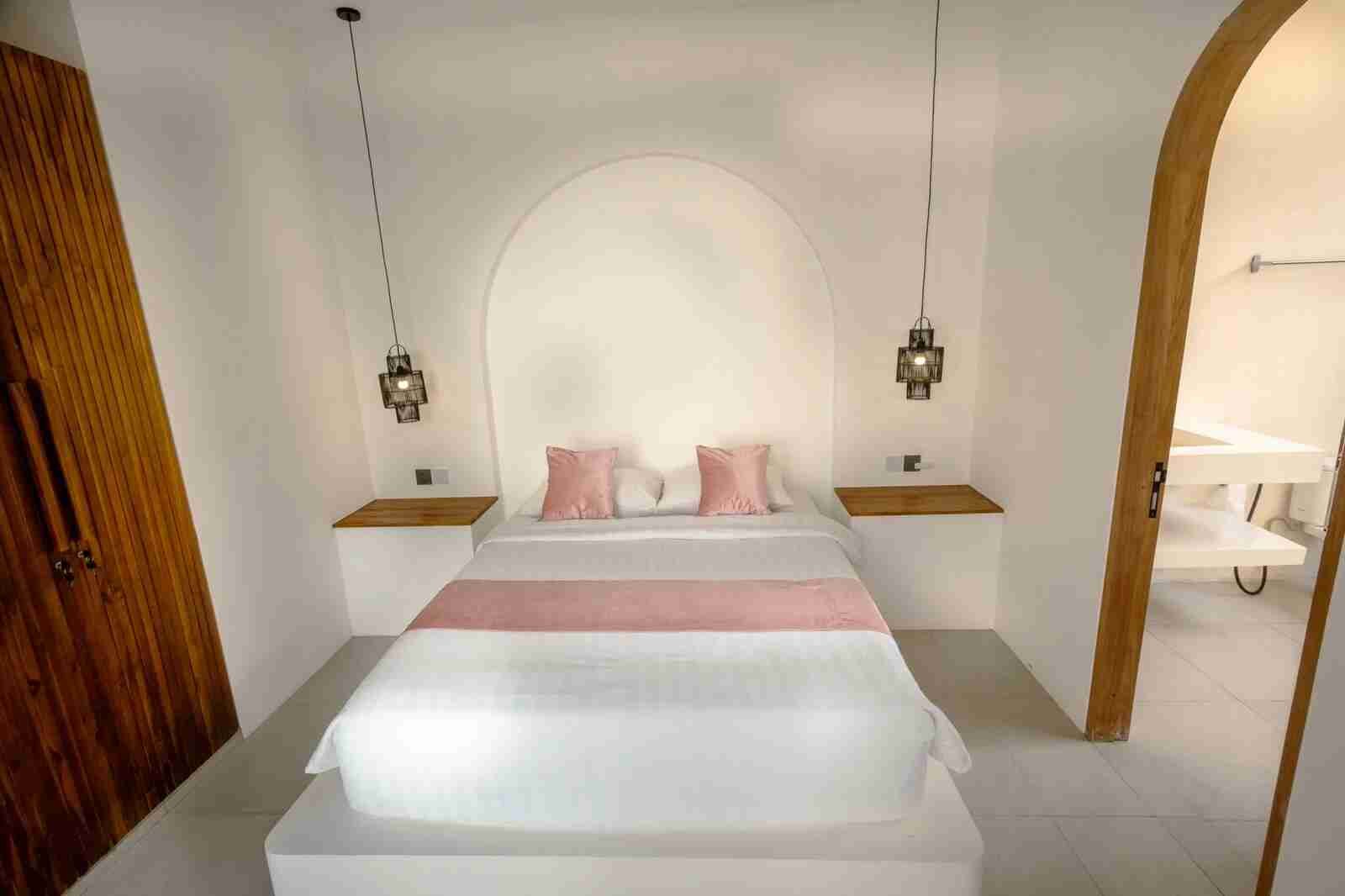
Staying in Bingin? Our Bingin area guide goes into more detail, and you can see the suites we host there — the Media Suite, the Seaview Penthouse and the Pool Garden Suite.
Bingin
Bingin is the cliffside village that put this stretch of coast on the map — and right now it’s arguably the trendiest corner of Bali. What was a low-key surf spot only a few years ago has become one of the island’s hottest destinations: high-end gyms, design-led cafés, wellness spas and some of the coolest restaurants and beach clubs in Bali are now packed into its walkable, clifftop core. Almost everything — the surf break, the sunset spots, the buzziest tables — sits within a five-to-ten-minute walk of wherever you’re staying, connected by winding cliffside paths that lead down to the sand. There’s no traffic-choked strip here; instead board-rental shacks and family-run losmen now sit shoulder to shoulder with polished restaurants, boutique studios and stylish beach clubs.
Vibe and who it suits. Bingin has become a magnet for surfers, wellness travellers, digital creatives and a style-conscious international crowd all at once — the kind of place where a dawn surf, a mid-morning gym or pilates class, a long lunch at a design café and sundowners at a cliffside beach club all fit into a single day. Mornings still start early with surfers checking the swell, but by afternoon the cafés, studios and terraces fill up with a buzzy, well-dressed crowd. It suits anyone who wants that energy on their doorstep and doesn’t mind a short walk to reach it; it’s less suited to those after a flat, drive-to-the-door resort — the walkable, cliff-hugging layout is a big part of the appeal, not a drawback.
Beach and surf character. Bingin’s reef break is one of the most famous lefts in Bali — fast, hollow and firmly intermediate-to-advanced territory when it’s working, peeling off the reef in front of the cliffs. The sheltered inside stretch of sand is fine for swimming and lounging at low tide, and it’s a genuinely spectacular place to simply watch surfers work the wave from one of the cliffside warungs, even if you’re not paddling out yourself. If you’re not already comfortable on a reef break, this isn’t the spot to learn — but it’s a superb spot to watch people who are.
Food, cafés & wellness. Bingin’s food and lifestyle scene has exploded over the past year, and the village is now home to some of the trendiest restaurants, cafés and beach clubs in Bali. Cliffside beach clubs like El Kabron and Saltwood serve sunset cocktails and elevated menus with front-row views of the surf, high-end gyms and studios such as Bambu Fitness keep the wellness crowd in routine, and a fast-growing line-up of design-forward cafés and spas rounds out a genuinely buzzy scene. You’ll still find honest, good-value warung food a short walk away — that mix of raw surf-village roots and polished new openings is exactly what gives Bingin its current edge — and a short drive opens up the wider Uluwatu food scene if you want even more.
Noise and traffic. Because Bingin’s core is pedestrian — cars can’t get down most of the cliff paths — it has a very different feel from Uluwatu village or Padang Padang’s roadside stretch: lively and social on foot rather than traffic-heavy. The main access road at the top of the village gets busy with scooters during peak surf season and around sunset, but down among the warungs, restaurants and beach clubs the energy is on foot — relaxed by day and buzzy in the evenings, and all easy to walk between.
Price ranges. Budget losmen rooms can be found from around $15-30 a night; mid-range private rooms or small villas with a shared or private pool run roughly $60-150 a night; higher-end clifftop villas and multi-bedroom houses that sleep a whole group can range from $200 upward depending on size, view and season. Prices climb noticeably in the July-August and December-January peak windows.
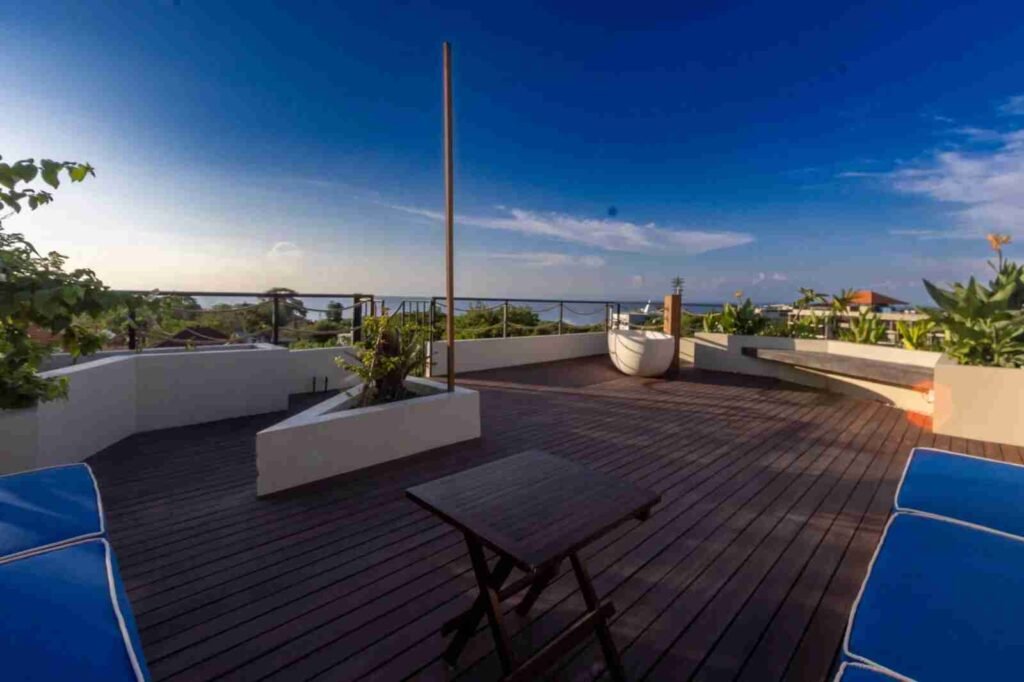
If you’re weighing up Bingin specifically, our own Samastiti Bingin sits on a quiet hill just above Dreamland beach, with private-pool suites around a five-minute walk from the sand and from Bingin’s trendiest beach clubs — and a rooftop level with a genuine sea and sunset view. It’s a solid option if that’s the kind of stay you’re after, though genuinely one of several good choices in the area rather than the only one worth considering.
Padang Padang
Padang Padang sits just up the coast from Bingin and is best known for two things: the postcard-perfect cove made famous by the film adaptation of Eat, Pray, Love, and a much busier main road lined with shops, warungs and small hotels. Unlike Bingin’s cliffside maze, Padang Padang has proper vehicle access right down to a car park near the beach entrance, which changes the character of the place considerably — this is a place you can be dropped at the door, rather than one you walk into.
Vibe and who it suits. Padang Padang suits travellers who want beach access without a long walk or stair climb, plus a bit more day-to-day convenience — shops, ATMs, and a wider spread of accommodation along a real road. It draws a broader mix of visitors than Bingin: surfers, day-trippers arriving by car from elsewhere on the island, and shorter-stay tourists who want to tick off the famous cove.
Beach and surf character. The cove itself is small and can get genuinely crowded, especially around midday when tour groups and day-trippers arrive through the narrow rock-cut entrance; arrive early or late in the day if you want it closer to yourself. For the parts of the island that never fill up like this, see Bali without the crowds. The surf break offshore is a serious, fast left for experienced surfers, similar in caliber to Bingin’s wave. Swimming inside the cove is possible and pleasant, but the beach is compact, and at peak times it’s more about the view and the novelty of the setting than a relaxed, spread-out lounge day.
Food scene. There’s more variety here than in Bingin thanks to the road frontage — a wider range of warungs, juice bars and a few more polished restaurants, plus the convenience of small shops for supplies, sunscreen and the like. It’s a good base if you want food options within a two-minute walk rather than needing to plan around a drive.
Noise and traffic. This is the trade-off for that convenience: Padang Padang’s main road carries real vehicle traffic, including tour vans and a steady stream of scooters, and the stretch near the beach entrance can feel busy and a little chaotic, especially during sunset hours when everyone converges on the same viewpoints.
Price ranges. Budget rooms from around $20-35 a night; mid-range hotels and guesthouses roughly $50-120 a night; villas and higher-end stays from around $150 upward, with beachfront or cliff-view properties commanding a real premium over set-back options.
Uluwatu Village (Pecatu)
“Uluwatu” as a place name gets used loosely to cover everything from the temple itself to the surrounding villages, but the area most people mean when they say “stay in Uluwatu” is Pecatu village and the network of roads radiating out from it — set back from the clifftop breaks, with easier road access and a more spread-out, residential feel than either Bingin or Padang Padang.
Vibe and who it suits. This is the area for digital nomads, longer-stay visitors, and anyone who’d rather have a private villa with its own pool and a short drive to the beach than a walk straight out the door. It reads more suburban than beachy — villa compounds, coworking spaces and gyms rather than a cliffside village atmosphere — and it’s grown quickly in recent years as more people choose to work remotely from Bali for weeks or months at a time — if that is the plan, our guide to monthly villa rental in Bali covers what a long stay actually costs.
Beach and surf character. You’re not staying directly on a beach here; instead you’re a short drive from Uluwatu’s own famous breaks (including the long, powerful wave beneath the temple cliffs, often broken into sections locals name individually, plus the well-known Impossibles break), as well as Padang Padang, Bingin, Balangan and Dreamland. That’s actually the main selling point of a Pecatu base — one central location, many breaks within a fifteen-minute ride.
Food scene. Pecatu has seen the fastest growth in cafes, brunch spots and health-food-forward restaurants of any area on the Bukit in recent years, catering squarely to the remote-work crowd. There’s genuine range here, from simple roadside warungs to trendier all-day cafes with proper coffee and laptop-friendly tables — a noticeably different, more laptop-and-brunch food scene to Bingin’s buzzier cliffside restaurants and beach clubs.
Noise and traffic. Quieter at night than Padang Padang’s beach road, since there’s no single pinch-point where everyone converges, but scooter and car traffic on the main roads through Pecatu has grown noticeably as development has increased. It’s not silent, but the noise is spread out across a wider area rather than concentrated.
Price ranges. Budget rooms or shared stays from around $12-20 a night; mid-range private villas roughly $40-90 a night; higher-end multi-bedroom villas with pools from $120-250 a night depending on size and finish. As a rule of thumb, Pecatu tends to run a little cheaper than Bingin at every tier, thanks to easier land access and a larger supply of villas.
Other spots worth knowing: Balangan and Dreamland
Two more names come up often enough to deserve a mention. Balangan, just north of Bingin, has a wide sandy beach — genuinely rare on this stretch of coast — a mellower, more open feel, and a smaller cluster of warungs and guesthouses along the clifftop above it. It suits anyone who wants real beach space and a gentler, quieter atmosphere than its livelier neighbours.
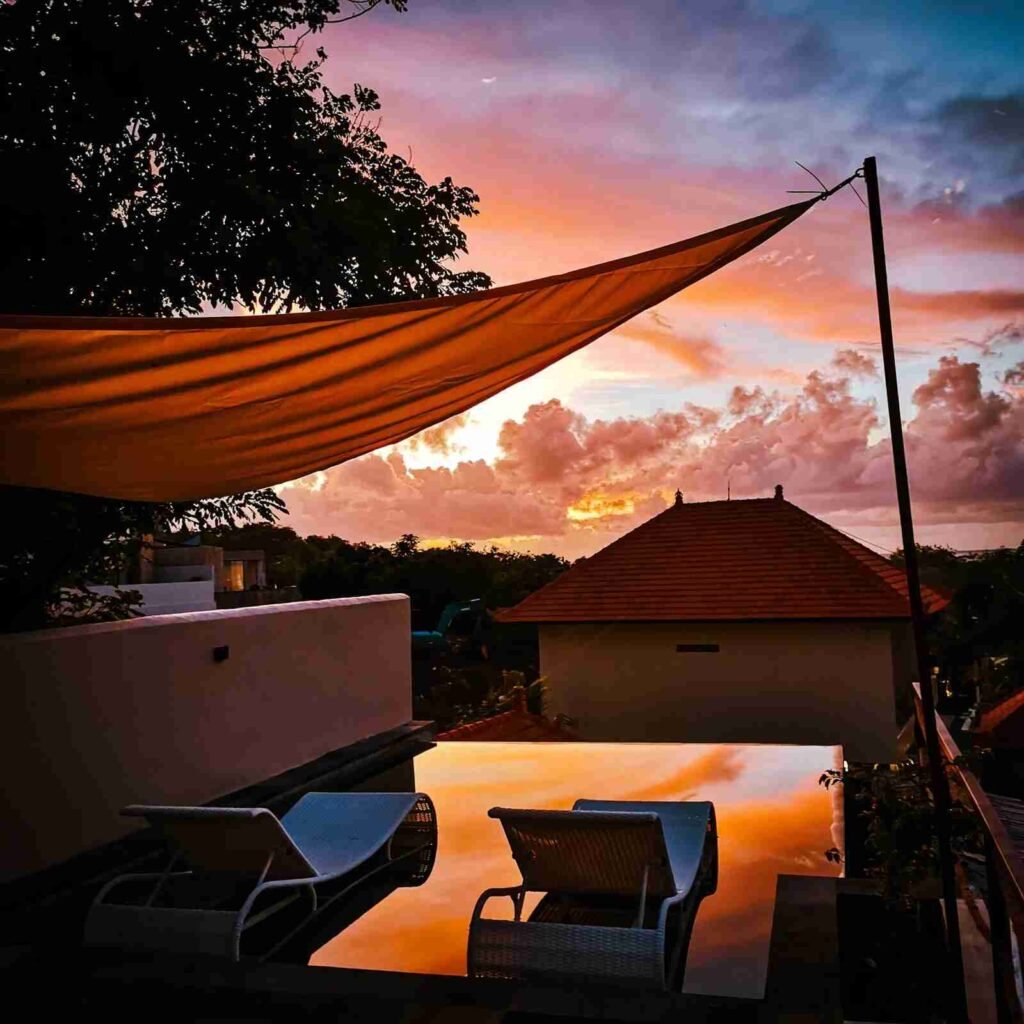
Dreamland, a little further along near Pecatu, is widely considered the best sunset beach on this part of the coast, and it’s one of the few beaches on the Bukit where you can rent a sunbed for the day rather than just laying a towel on the sand. The break here is also popular with surfers, with a sandier bottom that’s a little more forgiving than Bingin or Padang Padang’s reef breaks. It’s more of a day-trip destination than a beach-club scene, with a scattering of budget losmen nearby and a few larger resort-style developments set back from the sand. Samastiti Bingin sits on the hill just above this stretch, around a five-minute walk from the beach. Both areas are easily reached by car from any of the three main bases covered above, which is part of why a lot of visitors treat them as day trips rather than home bases.
| Area | Vibe | Best for | Typical price/night |
|---|---|---|---|
| Bingin / Dreamland | Bali’s trendiest surf village — gyms, spas, cool cafés and beach clubs — with the best sunset beach just below | Surfers, wellness and style-conscious travellers; buzzy cafés, beach clubs and sunset beach days | $15-30 budget / $60-150 mid / $200+ high |
| Padang Padang | Roadside, convenient, busier | Short stays, easy beach access, day-trippers | $20-35 budget / $50-120 mid / $150+ high |
| Uluwatu village (Pecatu) | Villa-and-driver, nomad-friendly | Longer stays, remote workers, private pool seekers | $12-20 budget / $40-90 mid / $120-250 high — usually a little cheaper than Bingin |
| Balangan | Open beach, mellow, clifftop dining nearby | Real beach space, quieter alternative to Bingin | Broadly similar to Bingin, often slightly lower |
How to choose
Start with your legs, your luggage and your patience for a walk. If steep clifftop paths and a genuine stroll to your room sound charming rather than annoying, Bingin — or Balangan, for a gentler version of the same idea — is worth the trade-off for the atmosphere you get in return. If you’d rather not think about walking at all and want a car (or taxi) to drop you right at the door, Padang Padang or Pecatu will suit you better, particularly if you’re travelling with a lot of bags or with anyone who has mobility concerns.
Next, think honestly about how you’ll get around. If you’re planning to surf multiple breaks, work remotely for more than a few days, or explore beyond the beach you’re staying on, a car and a driver are close to essential anywhere on the Bukit — the peninsula is spread out, taxis aren’t always easy to flag down, and there’s minimal public transport. Pecatu’s central position makes it the most practical base if you want to bounce between several breaks and cafes in one trip, while Bingin and Padang Padang both work well if you’re happy to stay mostly local and arrange a driver only for occasional trips further afield.
Finally, be honest about what kind of trip this actually is. A short three-to-four-night beach-focused visit tends to favour Padang Padang or Bingin, where you can walk to the water and don’t need to plan much logistics. A longer stay, especially one with work mixed in, tends to favour Pecatu’s villa-and-coworking ecosystem, where the extra travel time is a fair price for the extra space and quiet. Travelling with family or a larger group usually points toward a private villa with its own pool — available in all three areas, but generally most spread out (and often best value for the space you get) around Pecatu and the quieter outer edges of Bingin.
None of these areas is objectively “better” than the others — they’re built for different kinds of trips, and the honest answer for most people is that the right choice depends more on how you move through a day than on which name looks best in a search result.
Frequently asked questions
Is Bingin walkable? Yes, within the village itself — most losmen, cafes, restaurants and the beach are a five-to-ten-minute walk from one another. You won’t need transport for daily life once you’re settled in Bingin, though you’ll want a driver to reach other parts of the Bukit or venture further afield.
Do I need transport in Uluwatu? For Pecatu, essentially yes — the area is spread out and its main appeal, easy access to multiple surf breaks and a wider food scene, depends on being able to get around independently. For Bingin or Padang Padang you can get by without one if you’re happy staying local, but a driver still helps for exploring further afield or avoiding the midday sun on longer walks.
Which area is best for families? Pecatu tends to work best for families, thanks to wider villa availability with private pools and easier road access for prams, luggage and tired kids. Bingin’s winding cliffside paths, while charming for able-bodied travellers, are less practical with young children or heavy bags in tow.
Is the surf on the Bukit suitable for beginners? Not generally at Bingin, Padang Padang or Uluwatu’s main breaks, which are reef breaks that suit intermediate-to-advanced surfers who know how to read a reef and handle a fast take-off. Beginners are usually better off taking lessons at beaches with sandier, more forgiving breaks elsewhere on the island first, then coming to watch — or gradually progress into — the Bukit’s breaks later in a trip.
What’s the best time of year to visit this part of Bali? The dry season, roughly April to October, brings the most consistent surf, sunshine and calm seas to the Bukit’s south-facing coast, and is also the busiest and priciest period across all five areas covered here — booking accommodation well ahead matters more during these months than in the quieter, wetter shoulder season.
One Response