
Quick answer: The best snorkeling in North Bali needs no boat: a fishermen-managed conservation reef starts steps off the beach at Villa Seaview Bukti, Lovina’s reefs pair with the 6 AM dolphin trip, and Menjangan Island is the day-trip crown jewel.
Snorkeling in most of Bali involves a boat, a schedule, and a group. In the north it can involve none of the above: the sheltered Bali Sea is calm and flat, the reefs start at the beach, and the best one on this coast begins a few fin-kicks from a villa garden. Here’s where to get your face in the water.

The House Reef at Bukti: Snorkel From the Garden
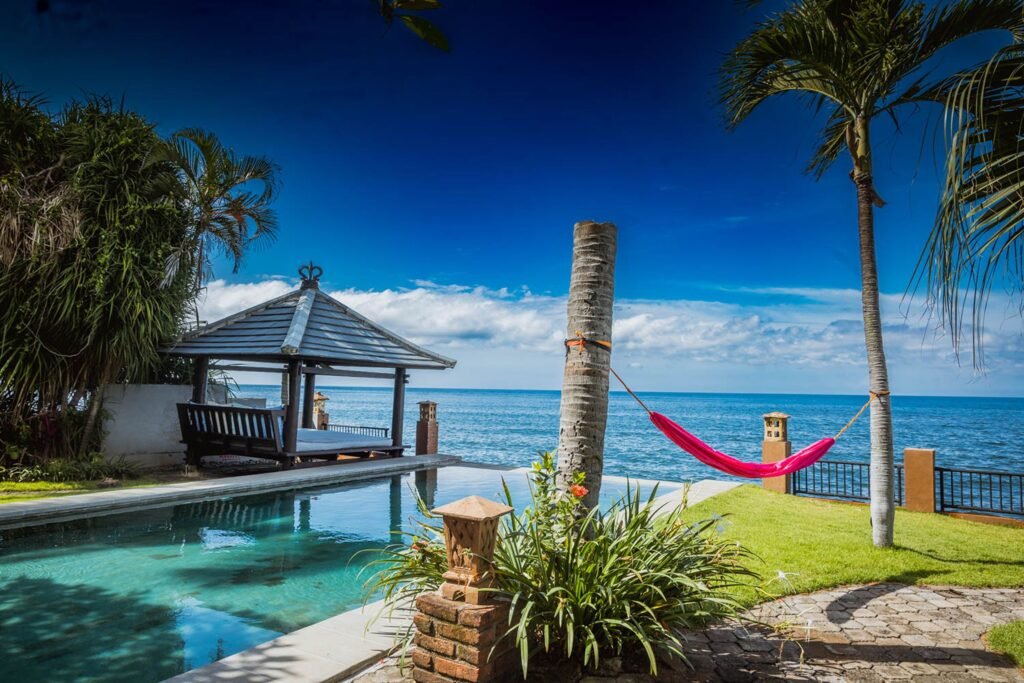
In front of Villa Seaview Bukti, an hour east of Lovina, lies a marine conservation area managed by the local fishermen themselves — and it shows. Healthy coral gardens begin steps from the beach: parrotfish, angelfish, clouds of anthias, turtles if your luck is in. Morning is glassiest; you can be among fish before your coffee cools. Divers get an extra prize out deeper — a pinnacle wrapped in one of Bali’s oldest, biggest coral formations (full story in our North Bali diving guide) — but the snorkeling shallows are a complete joy on their own. Staying here means the reef is simply part of the house.

Lovina: Reef in Front of the Strip
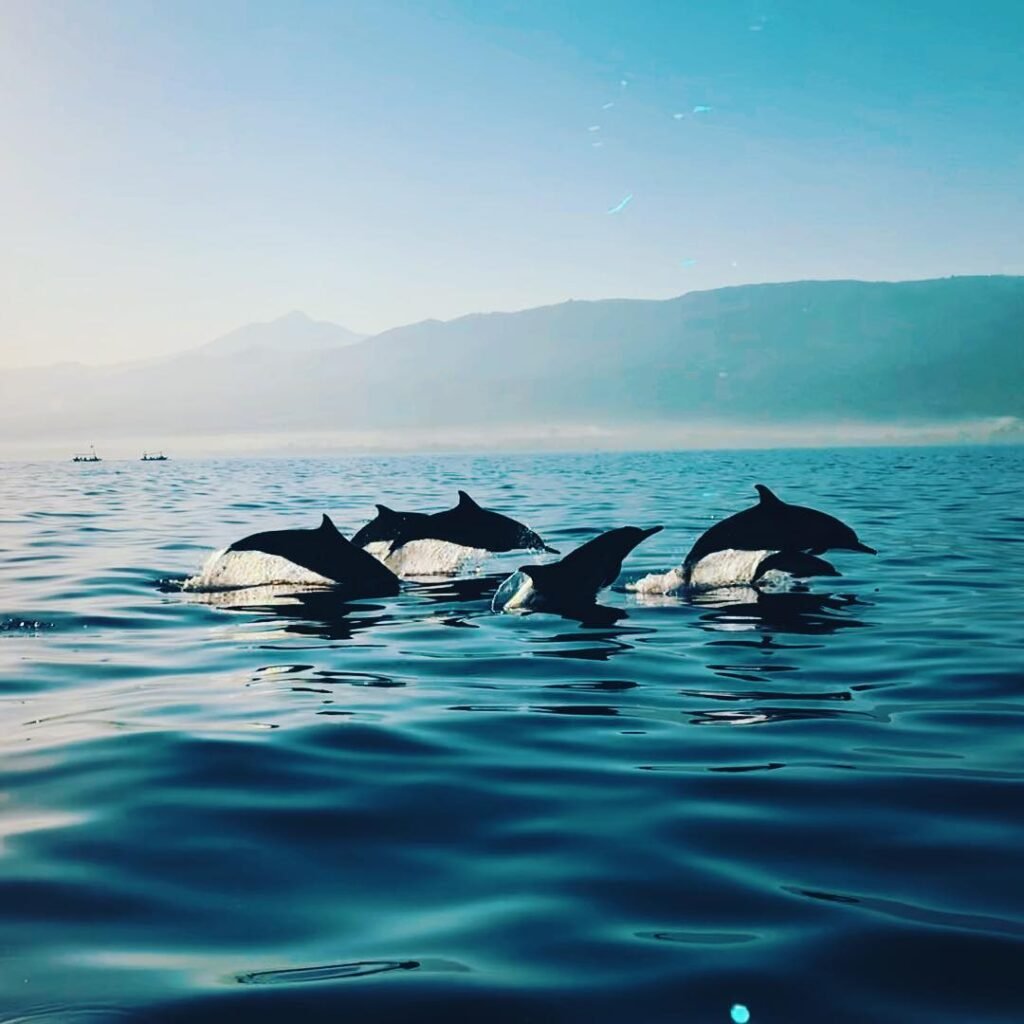
Lovina has its own snorkeling, on reefs directly off the coast — easy, shallow, and combinable with the morning ritual: ask your dolphin-boat captain to pair the 6 AM dolphin trip with a snorkel stop on the way home (masks and life jackets come aboard on request). From our Temukus beach houses the whole double-header runs from the sand in front of your lawn.
Menjangan Island: The Day-Trip Crown Jewel
The north’s headline snorkel is Menjangan, inside the 19,000 protected hectares of West Bali National Park: coral walls in famously clear, calm water where snorkelers float over the drop-off that divers descend. From Lovina it’s a day trip — about an hour to the small harbor at Sumberkima, then a 30-minute boat ride. Leave around 7:30, snorkel two sites, picnic on the boat, home for the afternoon swim. It’s the one worth the logistics.
Why This Coast Works for Beginners and Kids
No waves, minimal current, warm water, gentle beach entries: the north removes every reason snorkeling goes wrong for nervous swimmers. Children who’d refuse a boat ladder in choppy water will happily paddle off the Bukti beach with a parent alongside. Standard reef manners apply — float, don’t stand; touch nothing; reef-safe sunscreen — and here they’re doubly meaningful, because the reef you’re respecting is one the village actively protects.
Frequently Asked Questions
Where is the best snorkeling in North Bali?
For convenience and life underwater, the conservation reef at Bukti straight off the beach; for spectacle, the Menjangan day trip. Greedy? Do both — they’re the two ends of the same coast.
Do I need a tour to snorkel in the north?
Only for Menjangan. At Bukti and Lovina you walk in from the sand — one of very few places in Bali where good reef needs no boat at all.
Is it safe for children?
As safe as snorkeling gets: calm, shallow, warm, gentle entries. Life jackets are available for the boat trips; parental supervision does the rest. ( please check the conditions on the day as wave and current can also occur in North Bali)
When are conditions best?
Mornings year-round for glassy water; the dry season (April–October) brings the most reliable clarity and less waves.