
Quick answer: Sidetapa, 25 minutes above Lovina at around 900 meters, is a Bali Aga (‘original Balinese’) village where a local guide walks you among ancient houses that predate the island’s majority culture — one of the least touristed cultural mornings in Bali.
Most of what visitors call “Balinese culture” — the ceremonies, the temple architecture, the caste terms — arrived with the great Javanese migrations centuries ago. But an older Bali exists, kept by communities who predate all of it: the Bali Aga, the “original Balinese.” A few of their villages survive around the island, and one of the least visited sits just twenty-five minutes above Lovina, at around 900 meters in the cool hills: Sidetapa.
What Makes a Bali Aga Village Different
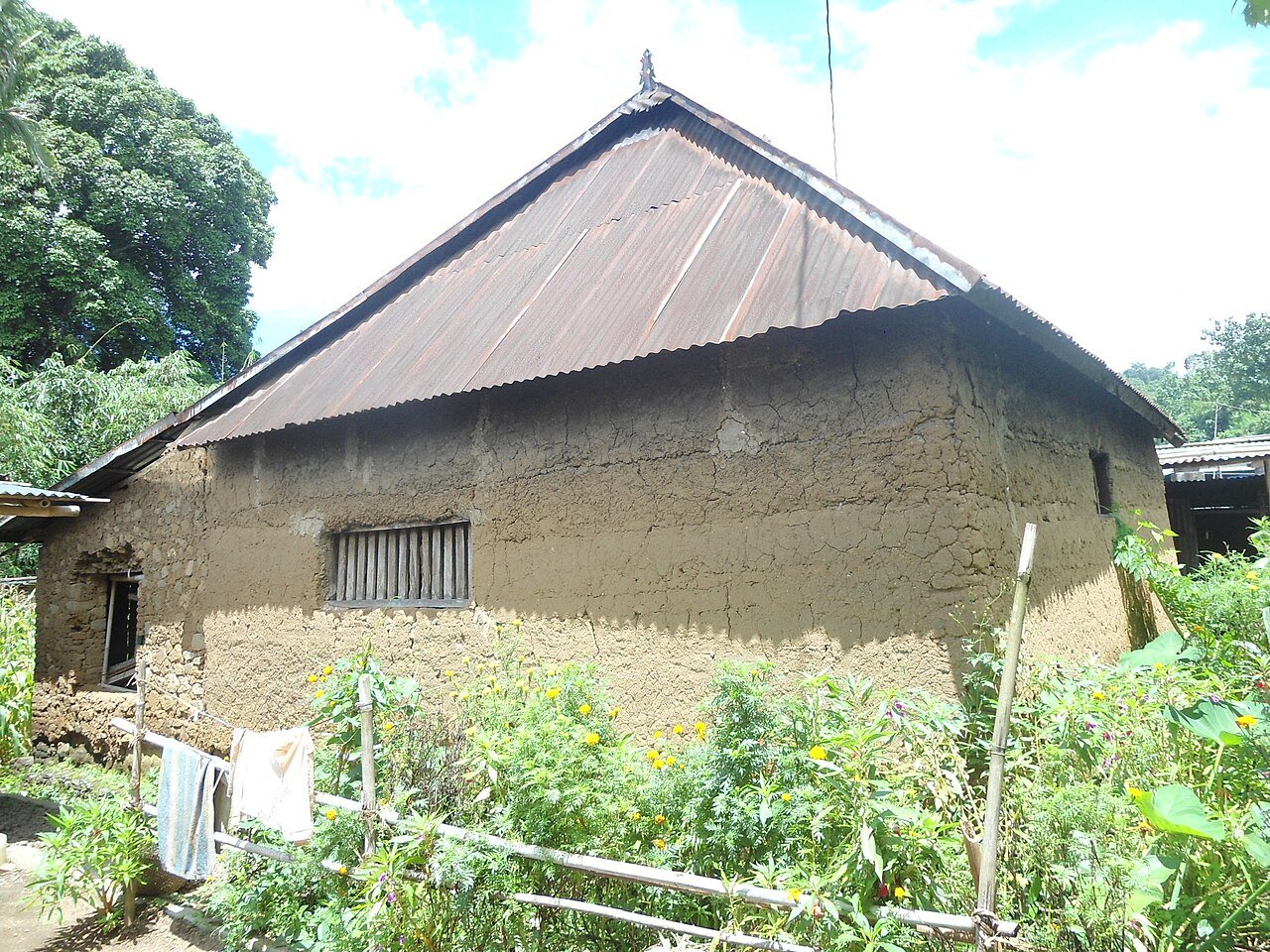
The Bali Aga held to their own ways while the rest of the island absorbed Javanese-influenced Hinduism: their own village layouts, their own rituals, their own architecture. In Sidetapa that heritage is most visible in the ancient original houses — dark, close-built wooden homes constructed to a pattern far older than the airy compounds of lowland Bali, some still standing and still lived in. Walking among them is the closest thing Bali offers to time travel.
How a Visit Works
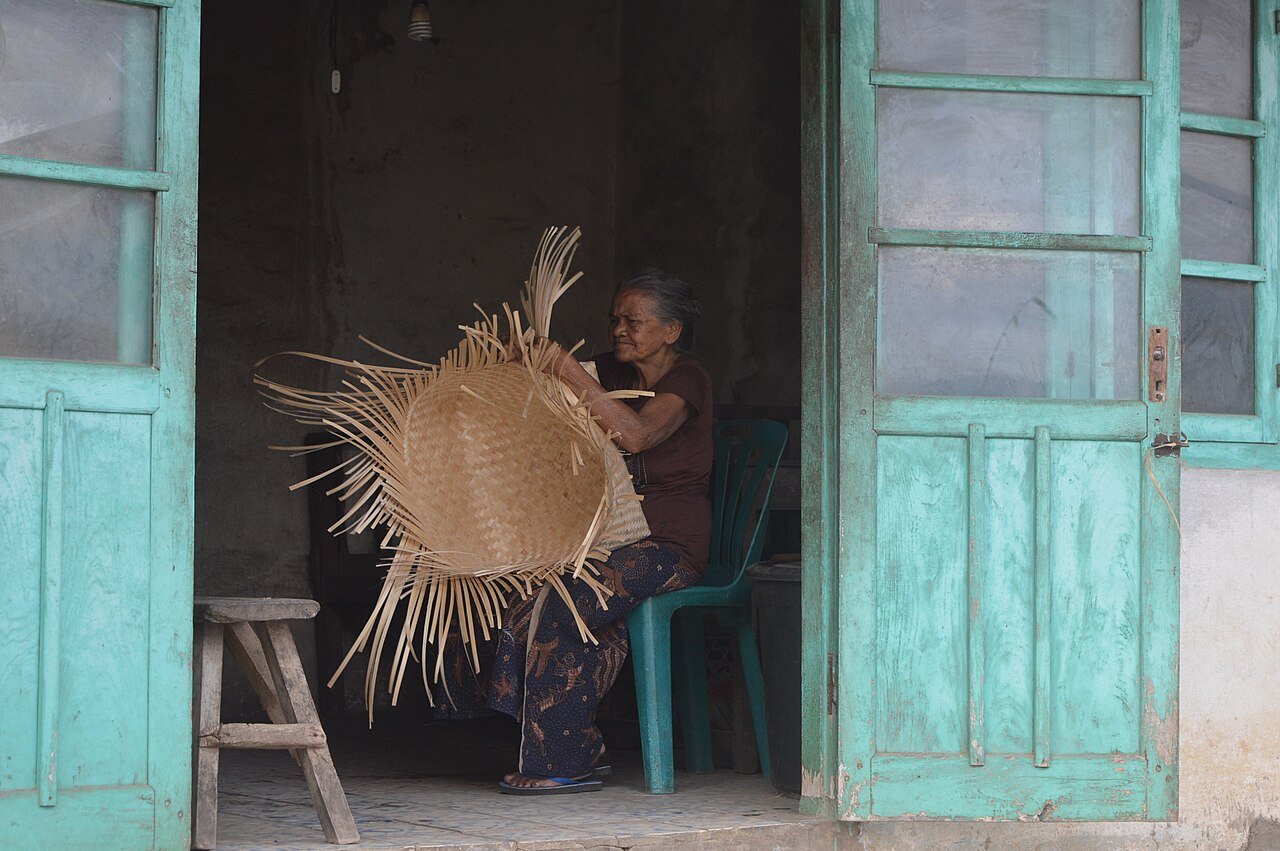
This isn’t a turnstile attraction, and that’s precisely its value. You go with a local guide — a villager — who walks you through the lanes at village pace: the old houses, the temple (respectfully viewed from outside), the daily working life of a mountain community, often a coffee or a glass of water offered along the way. On clear days the view runs all the way down the slopes to the Bali Sea glinting below. You will very likely be the only visitors that morning.
Our hosts at Samastiti Villa Temukus arrange the trip with a trusted driver and the local guide — it’s one of their favorite recommendations precisely because guests come back moved rather than merely photographed.
Visiting Well
A working village asks slightly more of its visitors than a waterfall does. Dress modestly (shoulders and knees), ask before photographing people, buy the small things offered if any are, and let the guide set the rhythm. The community’s openness is a gift; the visits stay wonderful because guests treat them that way. Your guide fee and driver fare go straight into the local economy — tourism at the scale where it only does good.
Pair It Into a Cultural Morning
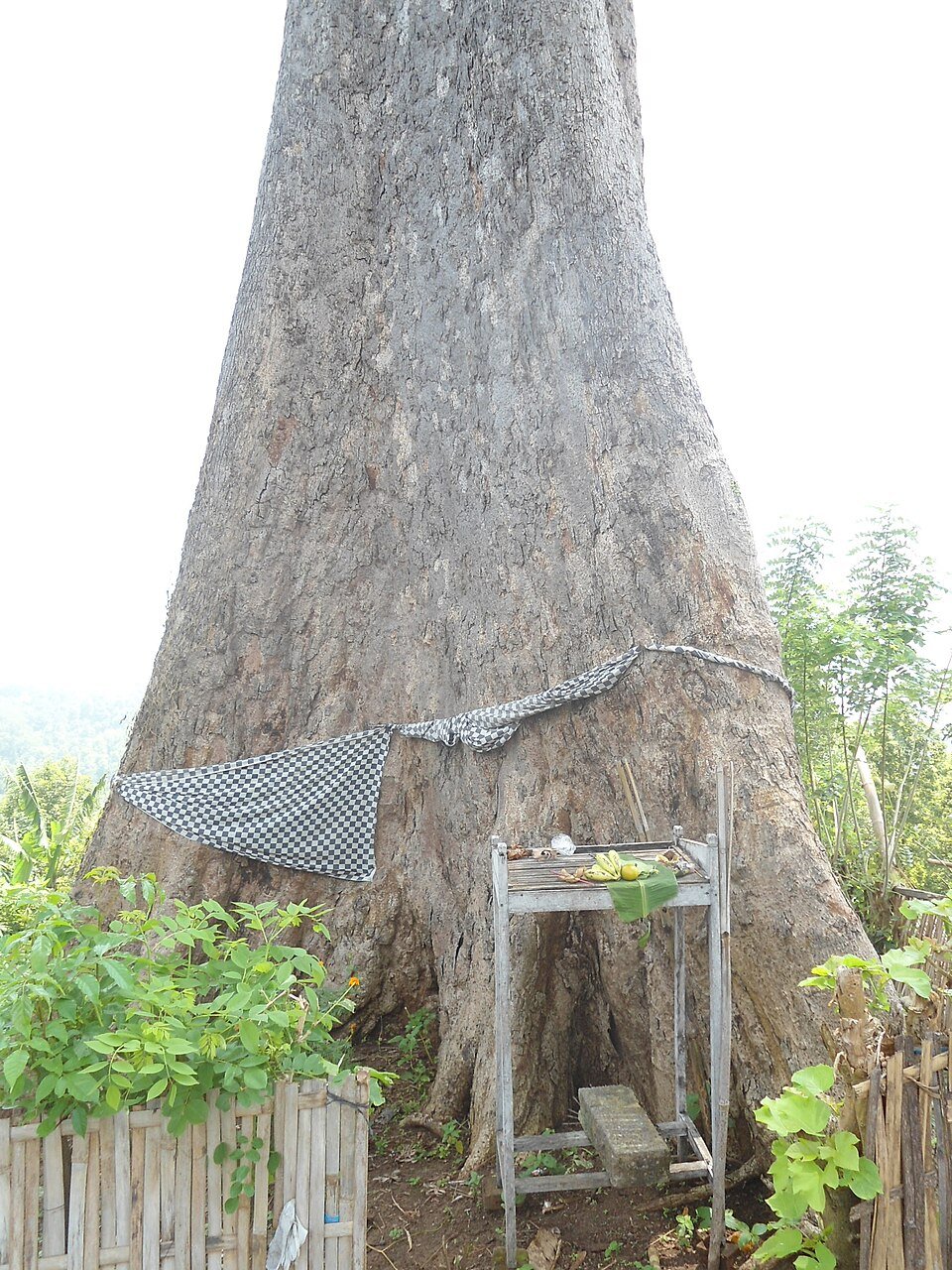
Sidetapa slots beautifully alongside the area’s other slow-culture stops: the silent gardens of Brahmavihara-Arama monastery and the Banjar hot springs below it (all three are within the same corner of hills — see our things to do in Lovina guide), or the Mayong cultural walk through rice-farming country on the Munduk road. Culture in the morning, calm sea in the afternoon: the north’s ideal ratio.
Frequently Asked Questions
Where are the Bali Aga villages?
The best-known are Tenganan in the east and Trunyan by Lake Batur; Sidetapa, above Lovina, is among the least touristed — which is its charm.
Can we visit Sidetapa independently?
You can reach it with a driver, but go with the local guide — the village is a home, not a sight, and the guide is what turns lanes and old houses into meaning.
How long does a visit take?
A relaxed morning: about an hour and a half in the village plus the pretty 25-minute drive each way from Lovina.
Is it suitable for children?
Yes — it’s a gentle walk, and village kids tend to adopt visiting ones on sight. Bring modest dress for everyone.